When investing in a new roof, one of the most important questions homeowners ask is: how long is the warranty? A roof warranty is more than just a document; it’s a critical component of your home’s long-term protection and your peace of mind.
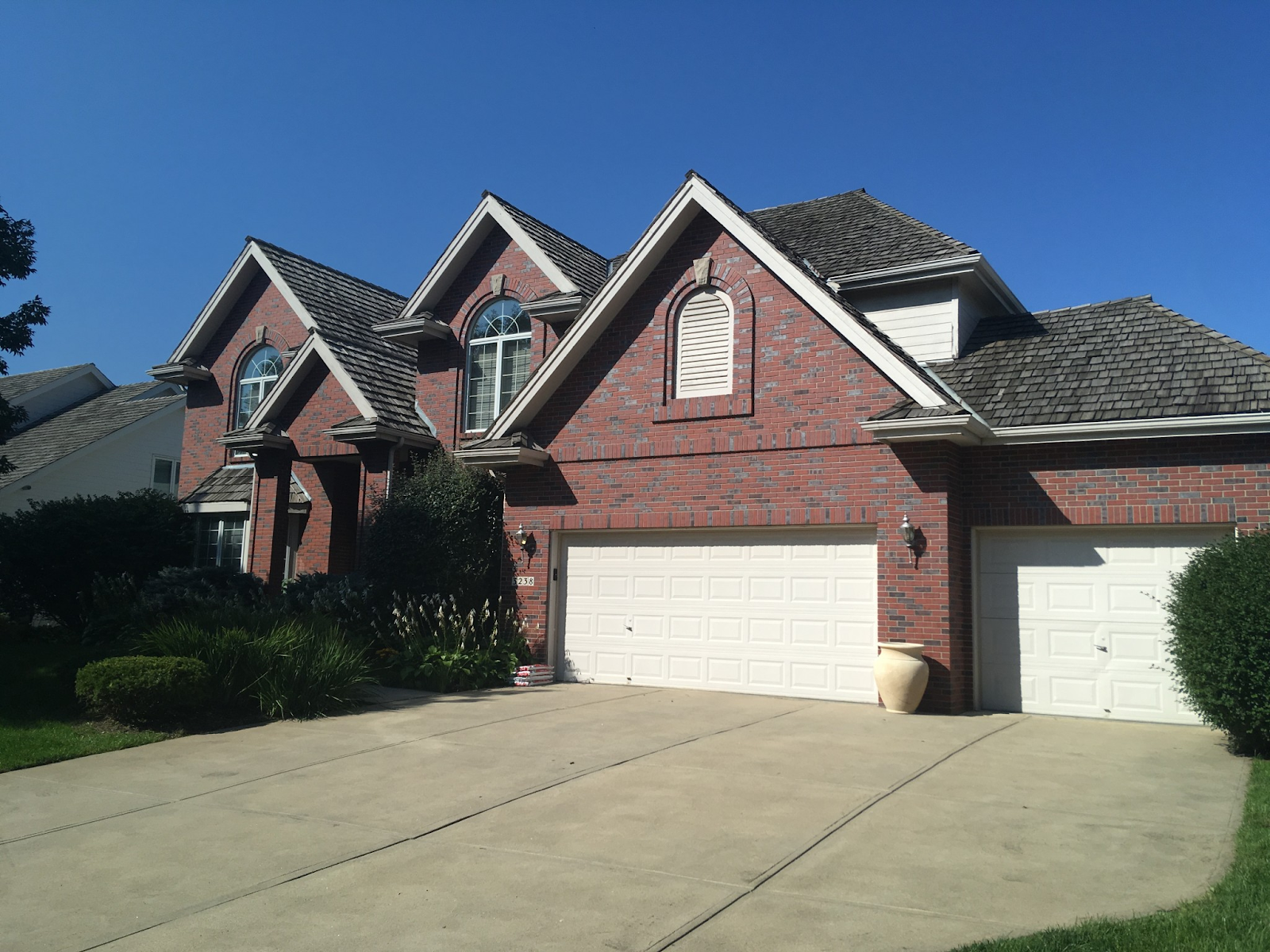
Understanding the terms of roof warranties is especially important for homeowners in regions like Omaha, where changing weather conditions can have a significant impact on a roof’s performance and lifespan.
Types of Roof Warranties
Roof warranties are not all created equal. Each type offers different coverage levels, depending on what aspect of the roof is being protected. The three most common types are:
1. Manufacturer’s Warranty
This warranty covers defects in the roofing materials themselves. Depending on the product and manufacturer, coverage typically ranges from 20 to 50 years. However, many manufacturers require proof of regular maintenance for the warranty to remain valid.
2. Workmanship Warranty
This is offered by the roofing contractor and covers errors made during installation. The standard coverage period is about 10 years, although some contractors offer longer terms. Be aware that these warranties often stipulate that any repairs or inspections must be carried out by the original installer.
3. Full System Warranty
A full system warranty is more comprehensive and covers not only the roofing materials but also all accessories used in the installation, such as underlayment and flashing. Coverage generally lasts between 10 and 30 years and often includes labor costs associated with leak repairs.
What Affects the Length of a Roof Warranty?
Several factors can influence how long a roof warranty lasts and how effective it is in protecting your investment:
1. Material Quality
Premium roofing materials tend to offer longer warranty periods because they are designed to last longer under a variety of conditions.
2. Installation Standards
A roof that is installed correctly by trained, certified professionals can qualify for extended warranties. Improper installation can void a warranty entirely.
3. Maintenance and Local Climate
Routine maintenance is essential to preserving your warranty. Harsh climates, like the variable weather in Omaha, can accelerate wear and tear, making regular inspections even more critical.
Why Warranty Coverage Matters
Understanding your roof warranty helps you make smarter decisions when choosing between materials and contractors. A solid warranty can save you from unexpected repair costs and give you confidence in your investment. For Omaha homeowners in particular, where roofs are regularly exposed to extreme temperatures, hail, and strong winds, a strong warranty offers both security and long-term value.
What to Look for in a Roofing Contractor
When hiring a roofing contractor, always ask about the warranty options they provide. A reputable contractor should offer:
-
Long-term warranties on both materials and workmanship
-
Certifications from roofing manufacturers
-
Transparency about warranty terms and what’s required to keep them valid
Certified contractors often have access to extended warranties that non-certified installers cannot offer. Choosing a contractor with the right credentials can lead to better coverage and greater peace of mind.
Protect Your Home with Confidence
When it’s time for a new roof, knowing your warranty options is just as important as choosing quality materials and skilled installers. If you’re a homeowner in Omaha, Nebraska, Integrity Roofing is ready to help you make informed decisions that protect your home and your investment.
Call Integrity Roofing at (402) 940-7201 or fill out our online form to schedule a consultation. Let’s explore the right roofing solution and warranty options tailored to your needs in Omaha.